
Plumber in Austin, TX - Plumbing, Drain Cleaning & Water Cleanup | Roto-Rooter
Plumber in Austin, TX - Plumbing, Drain Cleaning & Water Cleanup | Roto-Rooter
Austin’s growing population and aging infrastructure often lead to urgent plumbing problems. Roto-Rooter’s licensed plumbers are ready 24/7 with fast, dependable service across neighborhoods like Tarrytown, East Austin, and Barton Hills.
Whether you’re dealing with an issue in a historic home or a busy tech office, we understand the demands of Austin’s plumbing systems. Count on our team for quick response times, transparent pricing, and quality work backed by decades of local experience. Call (512) 258-3008 when you need an emergency plumber in Austin.
Professional Drain Cleaning in Austin
Our drain cleaning services use either our proprietary electromechanical cleaning machines, or in the most severe cases, hydro-jetting, to clear tough clogs fast—whether in a home kitchen, restaurant, or commercial facility. We remove grease, sediment, and even invasive tree roots to restore proper flow. This is especially helpful in older Austin neighborhoods like Hyde Park and Travis Heights, where aging pipes and heavy tree cover cause frequent backups. Routine drain cleaning also helps prevent issues tied to the city’s clay soils and dense root systems, saving you from major disruptions down the line.
Water Heater Repair in Austin
Reliable hot water keeps Austin homes and businesses running smoothly, but hard water minerals accelerate buildup that reduces efficiency, a challenge particularly noticeable in newer developments like Mueller and Avery Ranch. Our certified technicians provide expert water heater repair services and emergency water heater repair in Austin for both conventional gas and electric water heaters, as well as tankless systems. We help eco-conscious property owners maximize energy efficiency while addressing mineral deposits that affect Central Texas water heaters year-round.
Sewer Line Repair Around Austin
We use trenchless sewer line repair to fix underground pipe damage without digging up your yard or disrupting your business. This non-invasive method is ideal for Austin properties, where shifting clay soil and deep tree roots often lead to cracked or clogged pipelines; especially in older areas like Barton Hills and Allandale. Our advanced camera inspections catch problems early, helping homeowners and commercial sites avoid backups, flooding, and costly repairs. It’s a long-term solution built for Austin’s unique soil and weather conditions.
No matter the issue, we deliver fast, reliable plumbing support backed by decades of trusted service in Austin.
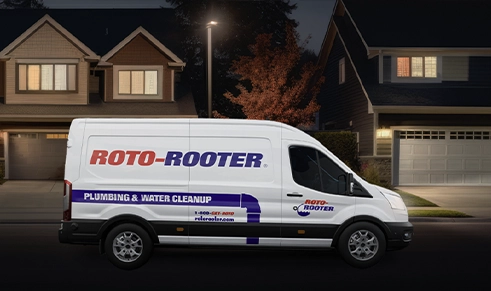
Our licensed plumbers arrive in fully equipped service vehicles, ready to diagnose and resolve plumbing problems on the first visit. We handle everything from routine drain cleaning to complex sewer line repairs and water damage restoration.
Call ${marketPhone} or schedule service online for fast, professional plumbing service in Austin.
Emergency Plumbing in Austin
Plumbing emergencies do not wait for business hours. Burst pipes, sewage backups, and major water leaks can cause thousands of dollars in damage within minutes. Roto-Rooter operates 24 hours a day, 7 days a week, 365 days a year in Austin.
When you call 512-258-3008, a live representative connects you with a local technician who can typically arrive within hours. Our trucks carry the parts and equipment needed for most emergency repairs, so we resolve the problem in a single visit.
COUPONS
$55 Off Any Plumbing or Drain Cleaning Service
Customer Reviews
Came fast handle situation explain why was found and how to take care of job
Willie C.Fast,professional service. Satisfied
lennie r.Mr. Rivera was very professional and friendly. He did his work expediently and fixed my plumbing problem. This was the second time I have used ... Royo-Rooter. Both times were very positive experiences. I will call them again when needed.
Austin's expansive clay soil and hot Texas climate contribute to several recurring plumbing problems. Knowing what to watch for helps homeowners catch issues before they escalate.
- tree root intrusion from live oaks and pecans
- hard water mineral deposits
- slab leak risk from shifting soil
- storm water management during severe weather
Expansive clay soil affects slab foundations throughout Austin. Slab foundations make leak detection critical, since hidden leaks beneath the slab can cause significant structural damage.


Serving the entire Austin metro area, Including:
Counties in the Austin Metro Area
Memberships & Affiliations


Proud Member of:
Plumbing Licenses:
Frequently Asked Questions in Austin
What maintenance schedule works best for Austin's hard water and climate?
We recommend annual water heater repair services, maintenance, quarterly drain cleaning inspections, and biannual sewer line repair services checks. Austin's mineral-rich water and expansive clay soils require proactive care to prevent costly repairs.
How much do plumbing services cost in Austin, and what factors affect pricing?
Roto-Rooter provides transparent, upfront estimates before any work begins. Costs vary based on complexity, materials needed, and accessibility, but you'll never face hidden fees or surprise charges. Also, Roto-Rooter doesn’t charge extra for nights, weekends, or holidays.
How do I find a reliable plumber near me in Austin?
Choose a company with a long-standing reputation, local expertise, and commitment to customer satisfaction. Roto-Rooter has served Austin since 1935, with experienced plumbing technicians who understand the area’s unique challenges.
Are there water conservation rebates available for Austin homeowners?
Yes! Austin Water offers rebates for water-saving fixtures, efficient toilets, and smart irrigation systems. Our team can help you identify qualifying upgrades and navigate the application process.
How can I prevent tree root damage in older Austin neighborhoods?
Schedule regular sewer line inspections and root removal treatments. Austin's mature oak and cedar trees actively seek water sources, making proactive maintenance your best defense against costly blockages.
What plumbing upgrades increase home value in Austin's competitive market?
Energy-efficient water heaters, whole-house water softeners, and updated fixtures offer excellent returns. These improvements appeal to buyers while addressing Austin's hard water challenges.
For answers to all your plumbing questions in Austin, 512-258-3008 anytime.
What causes slab leaks in Austin homes?
Austin's expansive clay soils swell when wet and shrink during drought, creating movement beneath slab foundations that stresses copper supply lines. Mineral-heavy water accelerates internal corrosion, and the combination of soil pressure and pipe deterioration produces pinhole leaks that can go undetected until water surfaces through flooring or the foundation shifts visibly.
Does Roto-Rooter respond to plumbing emergencies at night in Austin?
Yes. Roto-Rooter provides 24/7, 365 days a year emergency plumbing service across Austin. Our technicians respond promptly at any hour with fully equipped service vehicles.
How do I know if I have a water heater emergency?
Signs of a water heater emergency include water pooling around the base of the tank, discolored or rust-colored hot water, the smell of gas near a gas-powered unit, unusual popping or rumbling sounds, and a sudden complete loss of hot water. If you notice any of these, turn off the gas or electricity to the unit and call Roto-Rooter at 512-258-3008.
Why does Austin's water cause so much buildup in pipes and appliances?
Austin's water supply contains naturally occurring calcium and magnesium minerals from the Edwards Aquifer and Highland Lakes system. These minerals deposit on pipe walls, water heater elements, and fixture aerators over time, restricting flow and reducing appliance efficiency.
Can Roto-Rooter detect leaks hidden under my Austin home's slab?
Yes. Our technicians use electronic and acoustic leak detection equipment to locate leaks under concrete slabs without unnecessary excavation. Once the leak is pinpointed, we recommend the most effective repair method based on pipe condition and accessibility.
What should I do first during a plumbing emergency in Austin?
Shut off the main water valve immediately. In most Austin homes, this is near the meter box at the street or where the supply line enters the home. Turn off the water heater to prevent damage. Then call Roto-Rooter at 512-258-3008 for emergency service. Move valuables away from any standing water while you wait for our technician.
Does Roto-Rooter offer financing for emergency plumbing repairs in Austin?
Yes. Roto-Rooter offers financing options to help Austin homeowners manage the cost of emergency plumbing repairs. Ask your technician about available plans during your service visit, or call 512-258-3008 for details.
Why does Austin's hard water damage water heaters faster than other cities?
Austin's water supply carries 290 mg/L of dissolved calcium and magnesium from the Edwards Plateau limestone. When heated, these minerals precipitate and coat tank walls and heating elements with scale. This insulating layer forces the unit to run longer cycles, increasing energy consumption by up to 29 percent and reducing the typical lifespan from 12-15 years to 6-8 years.
How often should I flush my water heater in Austin?
Austin homeowners should flush their water heater tank every six months rather than the standard annual recommendation. The high mineral content in Austin's water creates sediment buildup twice as fast as cities with softer water. Regular flushing removes accumulated calcium deposits and restores heating efficiency.
What size water heater do I need for my Austin home?
A 40-gallon tank serves most Austin households of two to three people. Families of four or more typically need a 50-gallon tank or a tankless unit rated for Austin's inlet water temperatures. Roto-Rooter's experienced plumbing technicians assess your household demand and recommend the correct size during a free evaluation.
Do tankless water heaters work well in Austin?
Tankless water heaters perform well in Austin but require more frequent maintenance due to the hard water. Scale accumulates inside the heat exchanger and restricts flow, reducing output and triggering error codes. Annual descaling keeps tankless units running at full capacity in Austin's mineral-heavy water.
Should I turn off my water heater when I leave Austin for vacation?
Yes. Turn the gas valve to pilot or switch off the electric breaker before extended absences. This prevents unnecessary heating cycles and reduces wear on components. When you return, allow 30-45 minutes for the unit to reach full temperature before running hot water.
What causes rusty water from my hot water tap in Austin?
Rusty hot water typically indicates a depleted anode rod inside the tank. Once the sacrificial rod is consumed, the tank lining begins corroding and rust particles enter the water supply. Replacing the anode rod early extends tank life by several years. If rust appears in both hot and cold water, the issue may be in the supply pipes rather than the water heater.
Does Roto-Rooter provide free estimates for water heater repair in Austin?
Roto-Rooter's Austin technicians diagnose the specific failure point and explain all repair options and costs before any work begins. Our pricing is transparent with no hidden fees or surprise charges. Call 512-258-3008 to schedule a diagnostic visit.
How do I know if my sewer line needs repair or just drain cleaning?
A single slow drain typically points to a localized clog, but when multiple fixtures back up at the same time, the main sewer lateral is likely compromised. Roto-Rooter uses video camera inspection to distinguish between a blockage that can be cleared with hydro jetting and structural damage that requires pipe repair or replacement.
Does Austin's clay soil actually cause sewer pipe damage?
Yes. Austin's Blackland Prairie clay expands when it absorbs moisture and contracts during dry periods, creating ground movement that cracks rigid pipe materials and separates joints. Homes near creek corridors and on the eastern plateau edge experience the most aggressive soil-driven pipe damage in the metro area.
Can tree roots be permanently removed from my sewer line?
Roots can be cut and cleared using hydro jetting or mechanical cutting tools, but they will regrow if the pipe has cracks or open joints. Permanent solutions include trenchless pipe lining, which creates a smooth interior surface that seals entry points and prevents future root penetration.
What is trenchless sewer repair, and does it work in Austin soil?
Trenchless sewer repair restores damaged pipes without extensive excavation. CIPP (cured-in-place pipe) lining coats the pipe interior with structural resin, while pipe bursting replaces the old pipe by pulling new material through it. Both methods work effectively in Austin's clay soil, though a video inspection is needed first to confirm the pipe qualifies for trenchless treatment.
How long does sewer line repair take?
Trenchless lining and simple spot repairs typically complete within one day. Conventional excavation and full replacement may take two to three days depending on pipe depth, soil conditions, and the length of damaged section. Your Roto-Rooter technician provides a specific time estimate after the initial camera inspection.
Will sewer line repair damage my yard or driveway?
Trenchless methods require only small access points at each end of the damaged section, leaving most of your property undisturbed. Conventional repair involves excavation along the affected area, and Roto-Rooter restores the work area after the job is complete. Your technician explains exactly what surface disruption to expect before any work begins.
How often should I have my sewer line inspected?
Austin homes with mature live oaks or pecans near the sewer line, original cast iron or clay tile pipes, or a history of recurring slow drains should have a video inspection every two to three years. Proactive inspection catches root intrusion and pipe deterioration before they cause backups or require emergency repair.
Will hydro jetting damage my older Austin pipes?
Roto-Rooter technicians adjust water pressure based on pipe material and condition. For older clay tile or cast iron pipes common in Hyde Park and Travis Heights, lower pressure settings effectively remove buildup without risking joint damage. A camera inspection before jetting confirms the pipe can handle the process safely.
How is hydro jetting different from regular drain cleaning?
Standard drain cleaning uses a cable machine to cut through or push past a blockage. Hydro jetting uses high-pressure water to scour the entire interior pipe surface clean - removing grease, mineral scale, root fragments, and debris from the pipe walls rather than just opening a channel through the middle.
How often should Austin homes get hydro jetting?
Most Austin homes benefit from hydro jetting on a two- to three-year cycle, especially properties with mature trees near sewer lines or pre-1960 homes with original clay tile pipes. Properties with recurring clogs or significant hard water scale may benefit from annual service.
Can hydro jetting remove tree roots from sewer lines?
Hydro jetting effectively removes root fragments and smaller root masses from inside pipes. For large, established root intrusions, technicians often use a cable machine first to cut through the primary root mass, then follow with hydro jetting to strip remaining root material from pipe walls and restore full diameter.
Does hydro jetting work on kitchen grease buildup?
High-pressure water is one of the most effective methods for removing hardened grease from drain and sewer lines. The water pressure emulsifies grease deposits and flushes them out of the pipe entirely, rather than pushing them further downstream as some mechanical methods do.
How long does a hydro jetting service take?
Most residential hydro jetting jobs take one to two hours, including the initial camera inspection and post-jetting verification. Larger or more severely affected lines, particularly main sewer lines with significant root intrusion, may take longer.
What does hydro jetting cost in Austin?
Cost depends on the size and length of the pipe, severity of buildup, and accessibility of the cleanout. Your Roto-Rooter technician provides a clear estimate after the initial camera inspection reveals the scope of work. Financing is available for qualifying customers. Call 512-258-3008 for details.
What is trenchless plumbing and how does it work?
Trenchless plumbing repairs or replaces underground pipes without digging large trenches. The two main methods are pipe lining, which creates a new pipe inside the existing one using epoxy resin, and pipe bursting, which breaks the old pipe apart while pulling a new one into place. Both methods require only small access points rather than open excavation.
Is trenchless sewer repair a good option for Austin's limestone soil?
Trenchless methods are particularly well-suited for Austin because they avoid the need to excavate through limestone and caliche bedrock. Traditional digging through these rock layers requires heavy equipment and significantly increases project costs and timelines.
How long does a trenchless pipe repair take in Austin?
Most trenchless pipe repairs are completed within a single day. The process includes a video camera inspection, preparation of the pipe interior, and installation of the lining or replacement pipe.
Can trenchless methods fix pipes damaged by live oak tree roots?
Yes. Roto-Rooter's technicians first clear the root intrusion using professional-grade equipment, then apply a CIPP lining that seals the pipe and eliminates the joints and cracks where roots entered. The smooth, jointless interior resists future root penetration.
How long do trenchless pipe repairs last?
CIPP pipe linings and HDPE replacement pipes are engineered to last 50 years or more. These materials resist corrosion, root intrusion, and the soil movement caused by Austin's expansive clay.
Does trenchless repair work for pipes under driveways or foundations?
Trenchless methods are effective for repairing pipes beneath driveways, patios, foundations, and other structures. The work is done from access points at either end of the damaged section, so the structure above the pipe remains undisturbed.
Will trenchless plumbing affect the Edwards Aquifer recharge zone?
Trenchless repair supports aquifer protection by sealing cracked sewer lines that could leak contaminants into the porous karst limestone above the Edwards Aquifer. The method requires minimal ground disturbance, reducing the risk of opening new pathways for surface water to reach the recharge zone.
How do I know if my drain needs professional cleaning?
If water drains slowly in multiple fixtures, you hear gurgling sounds when toilets flush, or you notice sewage odors from floor drains, the blockage is deeper than chemical drain cleaners can reach. Chemical products can also damage older clay tile and cast iron pipes common in Austin homes built before 1960. Call 512-258-3008 for a professional assessment.
What causes recurring drain clogs in Austin homes?
Tree root intrusion is the most common cause. Austin's clay soil cracks and shifts around drain pipes, and roots from live oaks and pecans grow into those gaps seeking moisture. Hard water mineral buildup from the Edwards Aquifer is a close second, gradually narrowing pipe diameter until flow slows. A camera inspection identifies the specific cause.
Does Austin's hard water contribute to drain problems?
Yes. Austin's water measures 184 parts per million in hardness due to limestone in the Edwards Aquifer. The dissolved calcium and magnesium deposit mineral scale inside drain pipes over time, creating rough interior surfaces where grease and debris accumulate faster than they would in soft water areas.
How often should Austin homeowners schedule drain cleaning?
Annual drain cleaning is recommended for most Austin homes, especially those with mature trees near sewer lines or pre-1960 homes with original clay tile or cast iron pipes. Properties in neighborhoods like Hyde Park and Travis Heights with both old pipes and large trees may benefit from service every six months.
Will hydro jetting damage my older pipes?
Roto-Rooter technicians adjust water pressure based on pipe material and condition. For older clay tile or cast iron pipes, lower pressure settings effectively remove buildup without risking damage. A camera inspection before jetting confirms the pipe can handle the process safely.
How long does a typical drain cleaning service take?
Most residential drain cleaning jobs take 30 to 90 minutes depending on the severity and location of the blockage. Main sewer line cleanings with camera inspection typically take one to two hours.
Can Roto-Rooter handle commercial drain cleaning in Austin?
Roto-Rooter provides commercial drain cleaning for restaurants, office buildings, retail spaces, and industrial facilities across the Austin metro area. Our commercial equipment handles lines up to 10 inches in diameter with scheduled maintenance programs available.
Roto-Rooter has built its reputation since 1935 by delivering honest, effective plumbing service. Our Austin technicians are licensed, background-checked, and trained on the latest equipment and techniques.
We back every job with a satisfaction guarantee and stand behind our work with clear warranties. No hidden fees, no upselling - just straightforward plumbing service focused on solving the problem.
Our local team understands Austin's building codes, permit requirements, and the specific plumbing challenges that come with slab foundations in this region.
Yeah, we do both.Call now to schedule
512-258-3008
SPECIAL FINANCING AVAILABLE
We have partnered with Synchrony Bank to offer financing options to make your plumbing repair expenses as convenient and stress-free as possible.